The House Isn't Cheating — But Someone Might Be: Inside the Dark Art of Provably Fair Exploitation
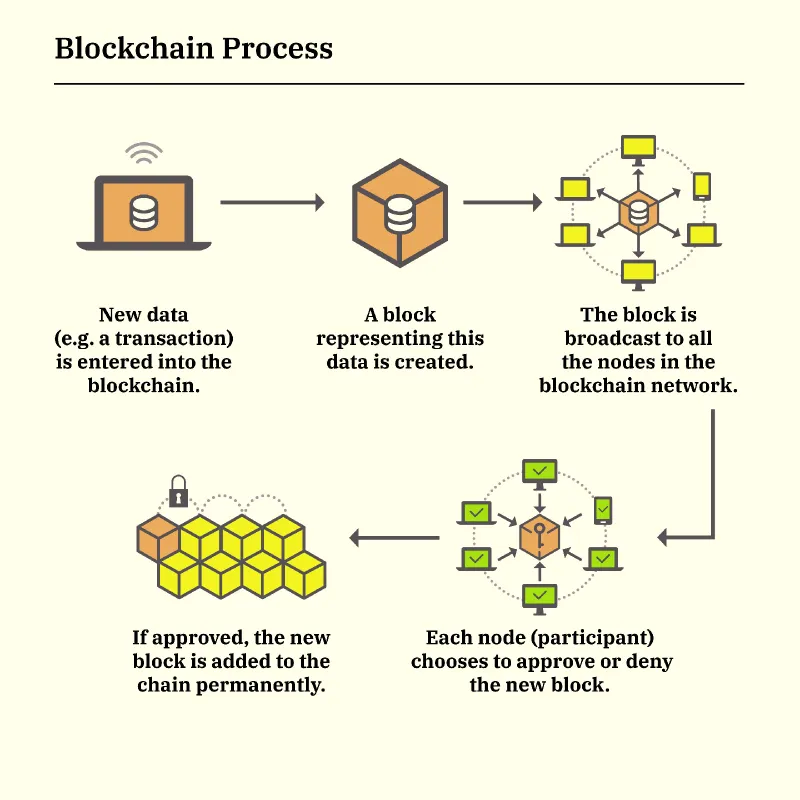
Photo: blockchain data analysis cryptocurrency whale trading patterns digital surveillance, via lh3.googleusercontent.com
Provably fair. Two words that became gospel in crypto gambling circles. The promise was elegant: using cryptographic seeds and blockchain verification, players could independently confirm that every dice roll, card deal, or roulette spin was genuinely random and untampered. No more trusting a faceless casino. The math doesn't lie.
Except here's the uncomfortable truth that doesn't get talked about enough: the math doesn't lie, but it can absolutely be played.
A growing number of sophisticated bettors — some operating alone, others in coordinated groups — have developed strategies that exploit the very transparency of provably fair systems. They're not breaking the rules. They're using them as a map.
What "Provably Fair" Actually Means
Before we get into how it gets gamed, it's worth understanding the actual mechanics.
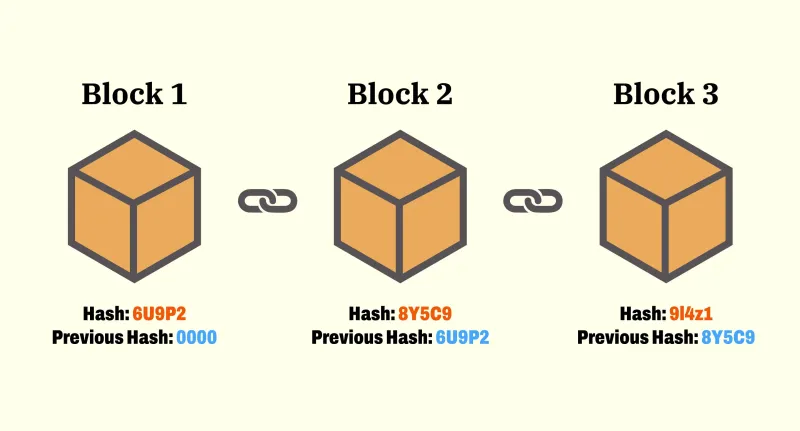
Most provably fair systems work like this: before a game round begins, the casino generates a server seed (which it hashes and commits to publicly) and the player contributes a client seed. After the round, both seeds are revealed and combined with a nonce (a sequential number) to produce the outcome. Anyone can verify the result using the published formula.
This system genuinely prevents the casino from altering outcomes after the fact. It's cryptographically sound. The casino cannot retroactively decide you lost a hand you should have won.
But here's what it doesn't protect against: patterns in the seed rotation, public nonce sequences, and the behavioral data that whales accumulate over thousands of verified rounds.
The Nonce Exploitation Problem
Here's a subtle vulnerability that rarely makes headlines. In many implementations, the nonce is simply a counter that increments by one with each bet. It's public information. The server seed hash is also public before the round.
A sophisticated player who has played thousands of rounds can, after each seed rotation, build a statistical map of how specific seed-nonce combinations have historically resolved. They're not cracking cryptography — they're doing what any serious poker player does: tracking patterns and looking for exploitable variance.
Some players have written scripts that automatically log every provably fair outcome across multiple platforms, building databases of hundreds of thousands of results. When seed cycles reset, they look for statistical anomalies in early-nonce outcomes and bet accordingly.
Is this guaranteed to work? No. But it shifts the edge in ways that aren't visible to casual players who just hit "verify" and move on.
Whale Coordination: When Transparency Becomes a Weapon
Blockchain's public ledger is one of crypto gambling's biggest selling points. Every transaction is visible. But that same visibility lets coordinated whale groups do something alarming: watch each other's bets in real time and act on that information.
Here's a simplified version of how it works in practice:
A group of high-volume players splits up across a platform. One or more of them probe early rounds of a new seed cycle with small bets, logging outcomes. The group shares data in real time through private channels. When they identify what appears to be a favorable stretch — based on variance analysis and nonce positioning — they flood the table with large coordinated wagers.
Individually, each bet looks normal. No single player is doing anything suspicious. But collectively, the group is behaving more like a hedge fund running a quant strategy than a bunch of casual gamblers.
The casino's provably fair system is working exactly as intended. Every outcome is verifiable. No one cheated. But the information asymmetry between these players and a recreational bettor placing $50 bets is enormous.
Suspicious Patterns That Stayed Within the Rules
Without naming specific platforms (since these patterns appear across the industry), observers in crypto gambling forums have documented several recurring anomalies:
Clustering around seed resets: Abnormally high win rates by a small number of wallets in the first 50-100 nonces of a new seed cycle, followed by dramatically reduced activity. The wallets essentially go dormant until the next reset.
Synchronized wallet activity: Multiple wallet addresses placing maximum-limit bets within seconds of each other on the same game type, then withdrawing shortly after. Each wallet's individual history looks unremarkable. The timing pattern is what stands out.
Bet-size escalation following specific nonce sequences: Certain players dramatically increase bet sizes after specific verifiable outcome sequences — patterns that look like they're responding to information rather than gambling on chance.
None of this is necessarily proof of manipulation. Variance is real, and humans are wired to see patterns where none exist. But the frequency and consistency of these behaviors across multiple platforms and seed cycles is hard to dismiss entirely.
What Amateur Bettors Should Actually Watch For
So what does this mean for the average JokaBet player putting real money on the line? A few practical flags:
Sudden table crowding before large outcomes. If you're playing a multiplayer format and notice an unusual influx of high-stake bets right before a big payout event, that's worth paying attention to. Coordinated groups sometimes position themselves around events they've statistically mapped.
Asymmetric bet sizes from new wallets. Fresh wallet addresses placing near-maximum bets from the start — without the typical small exploratory wagers — can indicate a player who already knows something about the current seed cycle's behavior.
Platforms that don't rotate seeds frequently. The longer a seed cycle runs, the more data a sophisticated player can accumulate about it. Platforms that rotate seeds every 100 bets offer a very different risk profile than those that let cycles run for 10,000 rounds.
The Honest Assessment
None of this means provably fair systems are broken. They're still vastly more trustworthy than a black-box RNG you have no way to verify. The cryptographic backbone is sound.
What these vulnerabilities reveal is that transparency cuts both ways. The same openness that lets you verify the casino isn't cheating also lets sophisticated players build information advantages that regular bettors simply don't have.
The best defense is boring but real: set session limits, avoid chasing losses during seed cycles you don't understand, and treat any hot streak by other players as noise rather than signal. The math is clean. The metagame around it, though, is anything but.
At JokaBet Casino, we believe informed players are better players. The blockchain doesn't lie — but knowing how to read it is a skill not everyone at the table has.