Ghost Money Blues: The Emotional Void That Hits After a Big Crypto Casino Win

Photo: Stiller Beobachter from Ansbach, Germany, CC BY 2.0, via Wikimedia Commons
You did it. The reels aligned, the hand held, the bet paid off in a way that made your stomach flip. Your wallet balance climbed in a way that would've made last-year-you weep with joy. And then—nothing. You closed the tab, stared at the ceiling, and felt... weirdly hollow.
If that sounds familiar, you're not broken. You're experiencing something that's quietly becoming one of the most underreported side effects of anonymous crypto gambling: the win that nobody else gets to know about.
Let's talk about what's really going on.
The Dopamine Crash Is Real, and Crypto Makes It Worse
Human brains are wired to celebrate through connection. When something great happens—a promotion, a touchdown, a jackpot—we're neurologically primed to share it. The act of telling someone, high-fiving a buddy, or even posting a screenshot is part of how the brain processes and locks in a positive experience.
Dopamine, the neurotransmitter behind reward and motivation, spikes during a win. But here's the catch: it drops just as fast afterward. That post-win crash isn't a sign of ingratitude or mental weakness. It's just chemistry. And traditionally, social celebration helps bridge that gap—it keeps the good feelings circulating long enough for the emotional experience to feel complete.
Anonymous crypto gambling short-circuits that process entirely. There's no one to call. There's no screenshot you can share without raising questions you'd rather not answer. The win is real, the money is real, but the moment is sealed inside a wallet address that belongs to no one the world can identify. It can feel like celebrating alone in a room with the lights off.
The Isolation Paradox of Untraceable Wealth
Here's the irony nobody puts in the crypto betting brochure: the very features that make crypto gambling so appealing—privacy, anonymity, no paper trail—are the same features that can make success feel strangely empty.
In a traditional casino in Vegas or Atlantic City, a big win comes with ambient validation. The sounds, the staff, the other players noticing your stack. Even online poker has a chat box. There's texture to the experience.
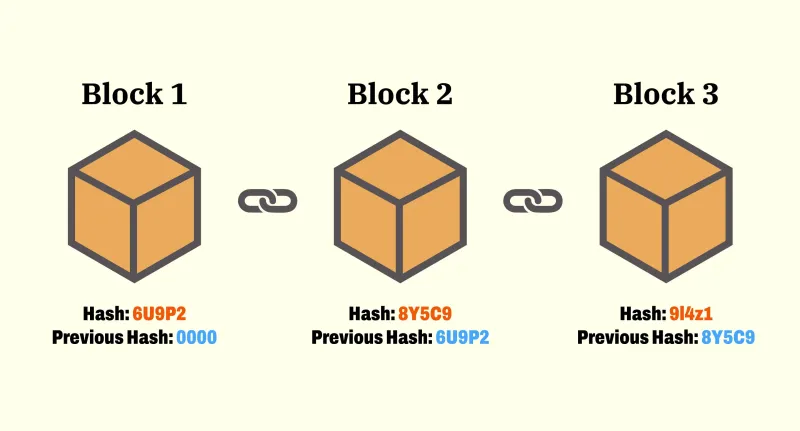
With anonymous crypto play, the win lands in digital silence. Your ETH balance goes up. The blockchain records it. And you sit there, maybe in your apartment, maybe in a coffee shop, and there's absolutely no external confirmation that anything meaningful just happened.
For some players, this is fine. For others—especially those who've had a genuinely life-changing win—it can tip into something more troubling: a creeping sense of unreality, low-grade anxiety, or even a compulsion to keep playing just to feel something again.
That last part is worth underlining. The emotional void after a big win is one of the quieter pathways into problem gambling behavior. If you're chasing the feeling of the win rather than the money itself, that's a signal worth paying attention to.
Strategies for Celebrating When You Can't Actually Celebrate
So what do you do? The win is real. The money is real. You deserve to feel good about it. Here are some ways players in the crypto space have found to honor a win without blowing their cover or their bankroll.
Create your own ritual. It sounds a little silly, but it works. Some players have a specific playlist they put on after a significant win. Others pour a good drink, take a walk, or do something deliberately indulgent. The ritual doesn't need an audience—it just needs to be yours, consistent, and tied to the win. Over time, your brain starts to associate that ritual with the reward, which helps close the dopamine loop.
Journal it. Write it down somewhere private. The date, the game, the amount, how it felt. Not for anyone else—just for you. There's psychological research suggesting that expressive writing after an emotional event helps process it more fully than simply moving on. A private log of your wins (and losses) also gives you a clearer picture of your own gambling patterns over time.
Find a trusted confidant. You don't have to tell the world. But having one person—a close friend, a partner, a sibling—who knows you play and can share in a win with you, even vaguely, makes an enormous difference. You don't need to explain blockchain or disclose exact amounts. "Had a good night, feeling solid" is enough to get the social validation your brain is looking for.
Redirect the energy quickly. One of the most effective ways to avoid the post-win crash is to give the money a job immediately. Move a portion to a goal you care about—an emergency fund, a trip, an investment. When the win has a destination, it stops feeling abstract. It becomes part of a story you're actively writing.
The Mental Health Reality Nobody Wants to Say Out Loud
Let's be direct for a second. Gambling—crypto or otherwise—can be genuinely fun, and for most people who approach it with clear limits and realistic expectations, it stays that way. But the emotional landscape of anonymous gambling is legitimately different from what most mental health resources are built around.
If you find yourself feeling persistently low after wins, unable to stop even when you're ahead, or using gambling as the primary source of excitement in your life, those are worth taking seriously. The National Council on Problem Gambling's helpline (1-800-522-4700) is confidential and doesn't require you to explain anything about crypto or anonymity. They've heard it all.
Betting bold doesn't mean betting without self-awareness. The most successful long-term players in this space treat their mental and emotional health as part of their overall strategy—not an afterthought.
Winning Is the Beginning, Not the Destination
The crypto casino win that feels hollow is usually a sign that the win was the whole plan. The players who seem to maintain the best relationship with gambling—and with money—are the ones who treat a win as a resource rather than an endpoint.
What do you do with it? Where does it go? How does it change something real in your life? Answer those questions before the next session, and the win stops feeling like a secret you're keeping from the world. It becomes a tool you're quietly using to build something better.
And honestly? That's a pretty good feeling, even if nobody else knows about it.